
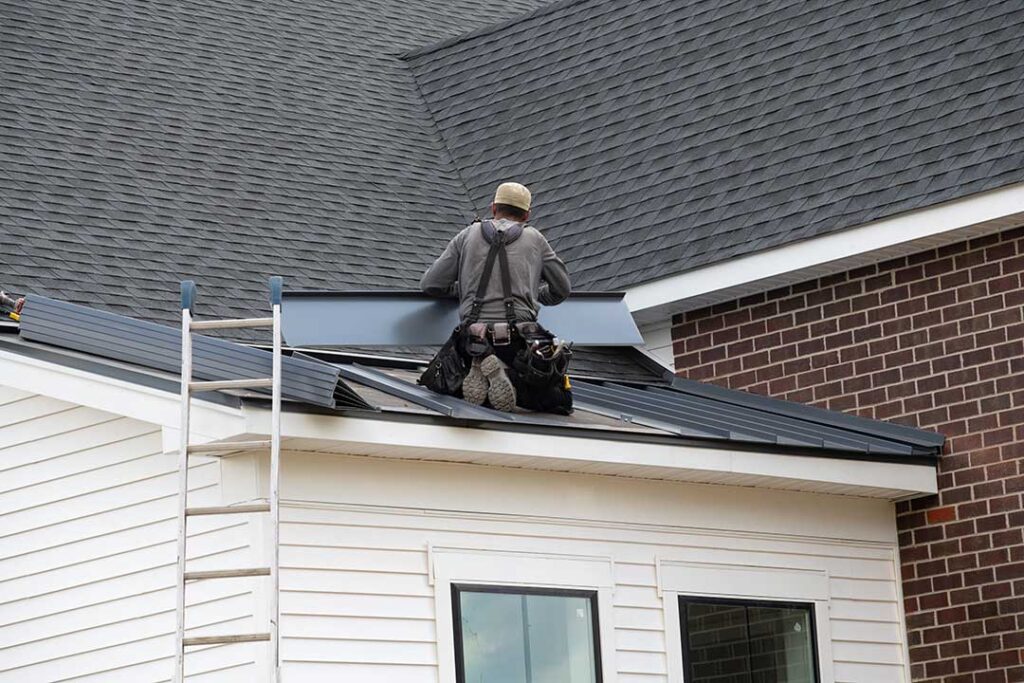
Why Do Roof Inspections Matter for West Henrietta Residents?
Regular roof inspections help area homeowners identify issues early, prevent costly water damage, and extend the life of one of the home’s most expensive components. In the climate experienced in West Henrietta, freeze-thaw cycles, seasonal winds, and heavy snows can accelerate wear. Inspections provide the knowledge needed to make timely repairs and maintain a safe, dry home.
How Often Should Roofs Be Inspected in West Henrietta?
At a minimum, roofs in this region should be inspected twice a year: once in the spring to check for winter damage, and again in the fall before snow and ice return. Additional checks after major windstorms or hail events can reveal acute problems caused by severe weather. Even newer roofs benefit from regular reviews, as small issues can develop regardless of age.
What Signs Suggest a Roof Inspection Is Needed?
Certain warning signs commonly prompt West Henrietta homeowners to take a closer look:
- Water stains on ceilings or upper walls
- Missing, cracked, or curled shingles visible from the ground
- Shingle granules in gutters after rainstorms
- Patches of moss, mold, or dark streaks
- Detached gutters or sagging rooflines
- Unexplained spikes in heating or cooling bills (from air leaks)
Not all trouble is easily visible, so these symptoms hint at hidden issues that inspections can uncover.
What Should Homeowners Look for During an Inspection?
While some roof problems are obvious, others may go unnoticed without a careful walkthrough. A thorough inspection—performed safely from the ground or with binoculars—should include:
- Shingles: Look for cracks, missing pieces, or areas without protective granules.
- Flashing: Check metal pieces around chimneys, vents, and skylights for rust, gaps, or separation.
- Gutters and Downspouts: Inspect for blockages or misalignment that could direct water toward the house.
- Attic Interior: From within the home, check for signs of moisture, mold, or daylight entering where it shouldn’t.
- Eaves and Soffits: Confirm wood trim is free of rot, insects, and peeling paint.
- Valley Areas: These spots where two roof slopes meet collect runoff and are prone to debris accumulation or leaks.
Taking notes or photos during the process can help track changes over time.
What Makes Inspections in the Local Area Unique?
West Henrietta’s weather patterns create distinct challenges. Melting snow can refreeze at the roof’s edge, causing ice dams that force water under shingles. Spring winds and storms sometimes lift or remove shingles entirely. Leaves from mature trees collect in gutters, risking water backup. Home construction in the community often features vent stacks and dormers, each requiring extra attention to flashing and seals.
Are There Safety Concerns for DIY Inspections?
Simple visual reviews from the ground are generally safe. However, climbing onto a roof or using ladders introduces fall risks. Wet, icy, or mossy surfaces are especially slippery. If a roof is steeply pitched or notably high, or if any damage appears severe, safety should be the top priority—ongoing leaks or sagging may indicate a structural hazard and require immediate attention.
What Are Common Misconceptions About Roof Inspections?
Some homeowners believe only old roofs need attention, but even new installations can develop problems from manufacturing defects, poor installation, or storm events. Another misconception is that leaks always appear directly beneath roof damage; water often travels before revealing itself inside, leading to misdiagnosis. It’s also common to assume insurance automatically covers roof repairs, but many policies require proof of ongoing maintenance.
What Documentation Should Homeowners Keep?
Maintaining a file on roof condition benefits both routine care and insurance claims. Useful documentation includes:
- Date-stamped inspection notes
- Photos of problem areas and general roof condition
- Records of repairs or replacements
- Warranty and material information
These records help track deterioration and support claims or resale conversations.
Is a Professional Needed for Every Inspection?
While most visual checks can be handled safely by homeowners, there are situations where outside expertise is warranted. If structural problems are suspected, if roof access is dangerous, or if compliance with local building codes comes into play, consulting a qualified, impartial inspector or building official is a prudent route. Some warranty terms also require third-party assessments at intervals.
What Preventative Maintenance Emerges from Regular Inspections?
Routine roof checks commonly uncover minor issues that are easily addressed:
- Clearing debris from gutters and rooftops
- Securing loose shingles or flashing
- Sealing minor cracks in caulking
- Trimming branches that overhang the roof
Handling these tasks as part of an annual or seasonal inspection routine can prevent water intrusion and prolong roof life.
When Do Local Building or Insurance Requirements Impact Inspections?
Certain insurance policies held by West Henrietta residents may include stipulations for roof maintenance or require documentation in case of a claim arising from leaks or storm damage. Local building codes also affect roof repair thresholds and may mandate inspection after significant re-roofing or structural alterations. Checking the terms of relevant policies and municipal guidelines ensures compliance and avoids delays if repairs are needed.
How Can Area Residents Prepare for Inspections Throughout the Year?
Small, repeated steps make roof care more manageable. Clearing gutters each fall, checking for shingle damage after storms, and monitoring attic spaces for dampness are habits that fit easily into seasonal routines. Noting changes and responding to small issues promptly keeps bigger repairs at bay and helps local households feel confident heading into West Henrietta’s varied seasons.
