
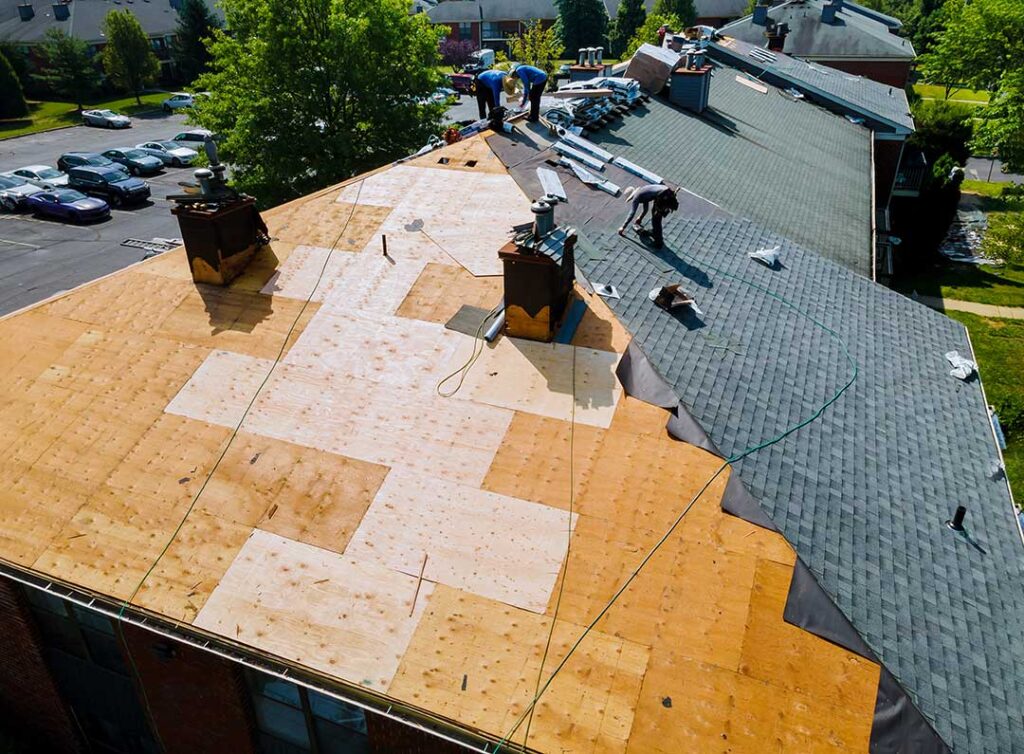
How Does the Weather in West Henrietta, NY Affect Roofing Materials?
The climate in West Henrietta, NY poses unique challenges for residential roofing. Seasonal shifts in temperature, precipitation, and wind can shorten the lifespan of many roofing materials.
Throughout the year, residents experience snowy winters, rainy springs, humid summers, and occasional windstorms. Materials expand and contract with temperature swings, which can create small cracks or loosen shingles over time. In particular, asphalt shingles, one of the most common local roofing options, tend to be sensitive to abrupt temperature changes and persistent moisture.
What Is Freeze-Thaw Cycling and Why Does It Matter?
Repeated freezing and thawing cycles occur frequently from late fall through early spring. Water seeps into tiny cracks and gaps in roofing materials, then expands as it freezes overnight. This process widens existing gaps, which can worsen leaks or cause granular loss in shingles.
Freeze-thaw cycling is especially challenging for older roofs or those nearing the end of their service life. Even small, unnoticeable vulnerabilities can turn into bigger problems after a few harsh winters. Homeowners often underestimate minor imperfections until they become visible leaks or damaged interior ceilings.
How Do Heavy Snow and Ice Affect Roofs in the City?
Untouched snow may look peaceful, but it adds weight and creates risk of ice dam formation. Accumulated snow can strain older framing or poorly supported areas. Melting snow that refreezes at the roof edge can trap water, which may back up under shingles.
Local roof slopes help shed snow, but even moderately pitched roofs are vulnerable when freeze-thaw cycles happen daily. Some common signs of trouble include:
- Icicles hanging from eaves (can signal poor attic ventilation or uneven melting)
- Water stains inside near the ceiling or top of walls
- Curling or lifted shingles after repeated winters
To minimize these risks, residents often ensure insulation and attic ventilation are working as intended, which reduces warm air loss and prevents melting at the roof surface.
How Does Rainfall Lead to Leaks or Mold?
The city regularly sees heavy rains in spring and fall, sometimes arriving unexpectedly. Persistent moisture is a challenge for any roof, but especially for those with missing or broken shingles, clogged gutters, or flashing damage around chimneys and vents.
When rainwater cannot flow freely off the roof, it seeks the path of least resistance. Water can sneak under damaged shingles or through worn flashing, sometimes showing up far from the actual entry point. Over time, trapped moisture may foster mold growth in attics or along exterior walls.
Regular roof checks during or after major rain events can help spot these issues before they worsen. Residents sometimes overlook attic spaces but checking for musty smells or dark spots on rafters can reveal early signs of moisture problems.
Do Summer Temperatures in West Henrietta Cause Roofing Problems?
Summer in the city brings direct sunlight and periods of high humidity. Roof surface temperatures can be much higher than the surrounding air, which can affect lightweight materials in particular.
Under sustained sun, shingles can become brittle and lose their flexibility. This makes them more prone to cracking or buckling, especially near vents and ridges. Roofing materials that are darker in color tend to absorb more heat and may exhibit these signs sooner. Ventilation and the color of roofing materials both play a role in moderating these effects.
Humidity also matters. High levels can encourage moss or algae growth, especially in shaded or north-facing roof areas. While most algae are primarily a cosmetic issue, moss can lift shingles and create paths for water intrusion.
Can High Winds Damage Roofs in the Area?
Though major windstorms in West Henrietta are less frequent than in some regions, occasional strong gusts do occur, especially in the spring and fall.
Loose or improperly installed shingles are most vulnerable to wind uplift. Even a single storm can remove a few shingles, exposing the underlayment or roof deck. The edges and corners of a roof tend to experience the highest wind force, so these areas deserve special attention during inspections.
Residents sometimes discover lost shingles in the yard long before spotting the missing space on the roof itself. Addressing wind damage promptly can prevent further issues from rain or snow exposure.
What Are Some Common Roofing Misconceptions Among Local Homeowners?
It’s common for residents to believe minor issues like a slightly lifted shingle or a small patch of moss don’t matter. However, these often signal underlying conditions that worsen with seasonal weather.
Another misconception is that heavy snow alone is the biggest threat. While snow is a concern, water intrusion from rain, ice dams, or wind-driven rain is often more damaging over time—especially because these issues are harder to spot.
Some assume newer roofs are immune to seasonal weather effects. Even recently installed materials can suffer if gutters are clogged, ventilation is poor, or flashing becomes dislodged during storms.
How Can Regular Maintenance Help Counteract Local Weather Challenges?
The best defense against weather-related roofing problems is regular, proactive maintenance. Local residents who get their roofs inspected after major winter storms, heavy rain, or wind events are better able to catch problems early.
Helpful habits include:
- Clearing gutters and downspouts before winter and after spring rains
- Visually inspecting shingles after each significant weather event
- Checking attic spaces for signs of water intrusion or mold
- Being attentive to unusual exterior noises during windstorms
Small investments in these areas often prevent more costly repairs down the road and help ensure that roofing materials withstand the full range of weather experienced in West Henrietta.
