

Why Does Roof Longevity Matter for Local Homes?
Keeping a roof in good shape protects homes from moisture, helps maintain energy efficiency, and prevents costly interior repairs. In West Henrietta, NY, homes face a mix of snow, rain, and seasonal temperature swings—each testing the resilience of roofing materials. Prioritizing maintenance and making informed choices can help local residents maximize the investment in their property's biggest shield.
How Does West Henrietta’s Climate Affect Roof Life?
West Henrietta experiences cold, snowy winters and moderately humid summers. These conditions mean roofs deal with freeze-thaw cycles, heavy wet snow, ice dams, and occasional wind-driven rain.
- Winter: Repeated thawing and freezing allow water to seep beneath shingles, increasing the potential for leaks or shingle damage.
- Summer: UV rays and fluctuating humidity may dry out roofing materials, making them brittle or causing them to warp.
- Rainy seasons: Wind and rain together can lift shingles or drive moisture into vulnerable seams.
Understanding these local factors helps in choosing both roofing materials and maintenance approaches that match the region’s weather patterns.
What Basic Steps Keep Roofs in Good Shape?
Simple, proactive habits can extend a roof’s life—often with minimal cost and effort:
- Clean rain gutters at least twice a year. Blocked gutters force water under shingles and cause wood rot at the eaves.
- Trim tree branches away from the roof. Shade from overhanging limbs can trap moisture and encourage moss, while branches may break off during storms and damage shingles.
- Remove debris after storms. Leaves, pine needles, or twigs left to collect on the roof surface and in valleys trap moisture, speeding up deterioration.
- Watch for moss and algae, which thrive in shady, damp areas. These can retain water and cause shingles to lift or crack if ignored.
Addressing these issues regularly protects against slow, often unnoticed sources of damage commonly found in area neighborhoods.
Are Roof Inspections Worth Doing?
Quick, visual roof checks twice a year—typically in spring and fall—can detect early warning signs of trouble:
- Look for missing, curling, or cracked shingles.
- Notice dark patches, which might mean algae growth or water infiltration.
- Scan for exposed nail heads or flashing that seems loose.
- Inspect attic spaces for damp spots or stains on rafters after heavy rain.
Residents can conduct most visual checks safely from the ground or with binoculars. If serious structural or water issues are found—or anything appears unsafe—it’s wise to engage experts with the right training and safety equipment.
When Should Roof Repairs Be Prioritized?
Not all roof problems require immediate action, but some issues should be handled sooner than later:
- If shingles or flashing are missing, water infiltration is likely. Delay allows small issues to spread rapidly.
- Sagging rooflines often signal underlying moisture or structural problems and should be taken seriously.
- Water stains on ceilings or walls inside the house are a sign that a repair is needed to prevent mold and rot.
Ignoring these problems, even when they seem minor, often leads to far more extensive (and expensive) repairs later on.
How Do Seasonal Changes Influence Roof Care?
Local residents should adjust inspection and maintenance timing to match West Henrietta’s weather:
- After heavy winter snowfall, check the edges of roofs for ice dams and icicles, which can force water under shingles. Using a roof rake to gently remove excess snow can help reduce pressure and leakage risks.
- Late summer is a good time to clean gutters and check for damage after spring and early summer storms.
- In late fall, clear any fallen leaves to get the roof ready for winter freeze-thaw cycles.
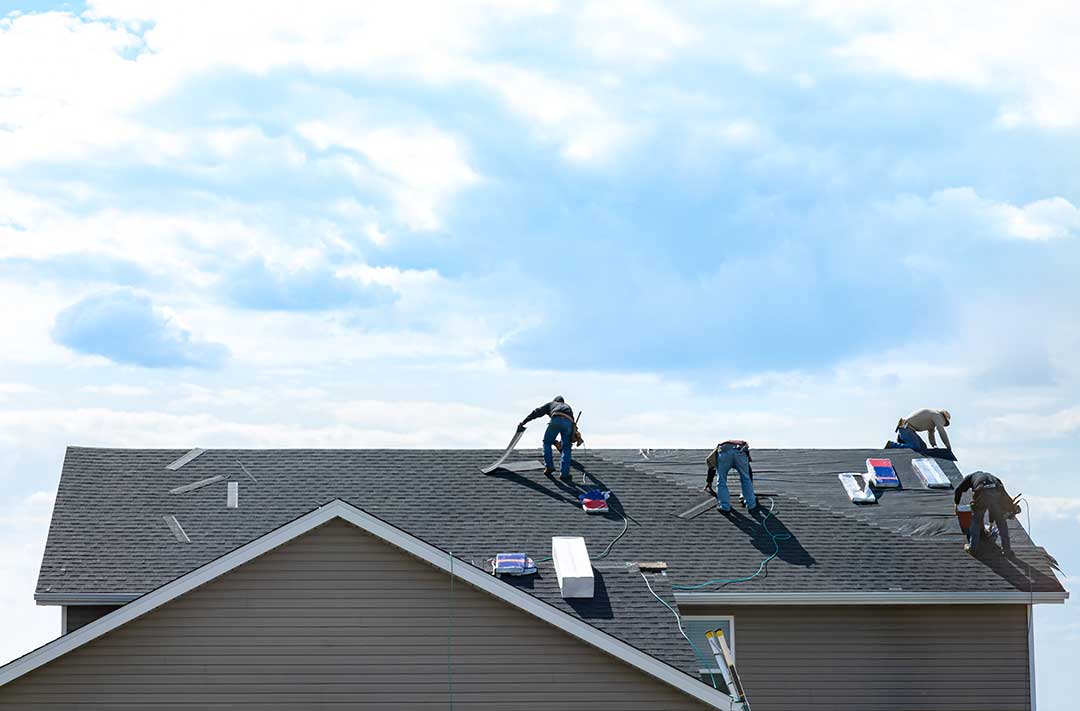
By syncing roof care with the changing seasons, area households can prevent many weather-related problems before they start.
What Materials and Practices Make the Biggest Difference?
Choosing quality materials and using correct installation methods at the outset provides the longest-term benefit. Some specific points relevant to homes in West Henrietta:
- Architectural asphalt shingles typically last longer than basic three-tab versions and offer better wind and weather resistance.
- Quality underlayment and properly installed flashing prevent leaks in vulnerable areas like chimneys, valleys, and roof edges.
- Adequate attic ventilation reduces the risk of ice dams by keeping the roof’s temperature more consistent and avoiding moisture buildup in the attic.
- Regular attic inspections can catch signs of poor ventilation, such as moldy insulation or visible condensation on wood surfaces.
Using best practices from the start and following manufacturer guidelines help roofing systems stand up to the area’s variable conditions.
Are There Common Misconceptions?
Many residents believe that roofs last “as long as the warranty”—but climate, installation, and care habits matter just as much as stated material lifespan. Other misconceptions include:
- “If I don’t see leaks, everything is fine.” Many leaks start small and go unnoticed until they cause interior damage.
- “Moss and algae are just cosmetic.” In reality, both can trap moisture, damaging shingles and shortening roof life.
Periodic roof inspections and simple preventive care remain the most reliable ways to address these issues early.
What Other Factors Do Homeowners Sometimes Overlook?
Beyond the roof surface, other details matter:
- Chimney caps and vent boots should be intact to prevent water entry.
- Skylights and solar panels need regular checks for leaks at seals and flashing.
- Drip edge—a small but critical piece of metal flashing at the roof’s edge—prevents water from wicking into the roof deck.
Preventive attention to these areas often distinguishes longer-lasting roofs from those that fail early.
By understanding how local weather, routine habits, and timely repairs all interact, West Henrietta households can protect their homes, lower their maintenance stress, and avoid unnecessary costs—making every roof last as long as possible.
