

What Are the Risks and Considerations When Cleaning Your Roof?
Homeowners often underestimate the risks involved in DIY roof cleaning. Even on single-story homes in West Henrietta, falls, roof damage, and unsafe chemical use are common concerns. Local roofs may also face seasonal challenges, such as moss and algae growth due to the area’s humid summer conditions, or slick debris following autumn leaf fall.
Falls account for most serious injuries in roof cleaning, so working from the ground when possible—using long-handled tools—or safely from a ladder if needed, is preferred. Roofing materials like asphalt shingles, commonly found on homes throughout the community, can be damaged by harsh scrubbing or pressure washing. Additionally, chemical misuse can harm lawns, garden beds, or local stormwater systems.
How Can Residents Prepare to Clean a Roof Safely?
Preparation is key. Begin by checking the weather forecast—ideally, choose a mild, dry day. Wet roofs are slippery, while extreme heat can make cleaning solutions evaporate quickly, reducing their effectiveness.
Before starting, gather:
- Sturdy slip-resistant shoes or boots
- Gloves for protection
- Safety goggles or glasses
- A soft-bristled brush with a telescoping handle
- A stable ladder (if needed), with a helper to hold it steady
Remove any patio furniture, toys, or décor below. Cover landscaping if you plan to use any cleaning solution, and make sure all downspouts are clear to allow safe drainage.
What Cleaning Methods Work Best for Local Roof Types?
Most residential roofs in the city are made of asphalt shingles. These require gentle care. Avoid any pressurized washing unless specifically recommended by shingle manufacturers; the high force can dislodge granules, shortening roof life.
Moss and algae are common concerns locally, especially on shaded or north-facing slopes. For gentle cleaning:
- Start with manual debris removal using a broom or leaf blower.
- For visible moss or algae, use a mild solution: one part household bleach to three parts water, with a small amount of dish soap. Apply with a pump sprayer on a cool day.
- Allow the solution to sit for 15-20 minutes, then rinse gently with a garden hose—never a pressure washer.
Take care not to scrub vigorously. Walk only where absolutely necessary, keeping weight distributed and steps deliberate to avoid shingle damage.
Can Natural or Eco-Friendly Products Be Used?
Many area residents prefer environmentally friendly options, especially to avoid runoff affecting local stormwater systems or garden spaces. Several non-chemical approaches can control organic growth:
- Remove shade—if possible—by trimming overhanging branches.
- Use a 50/50 mix of white vinegar and water as an alternative solution for algae stains.
- Install strips of zinc or copper near the roof ridge; as rainwater washes over these metals, it inhibits moss growth safely without harming shingles or nearby plantings.
Test any homemade mixture on a small, inconspicuous section before full application.
When Should Households Seek Professional Help?
Routine cleaning—like removing leaves or basic moss patches—can be tackled safely by most homeowners with sound planning. However, safety must always come first.
Consider outside assistance if:
- The roof has a steep pitch or is hard to reach from the ground
- There are symptoms of major roof damage (such as sagging, large sections of moss, or shingle loss)
- You don’t feel comfortable with heights
- There are power lines above or too close to where you’ll be working
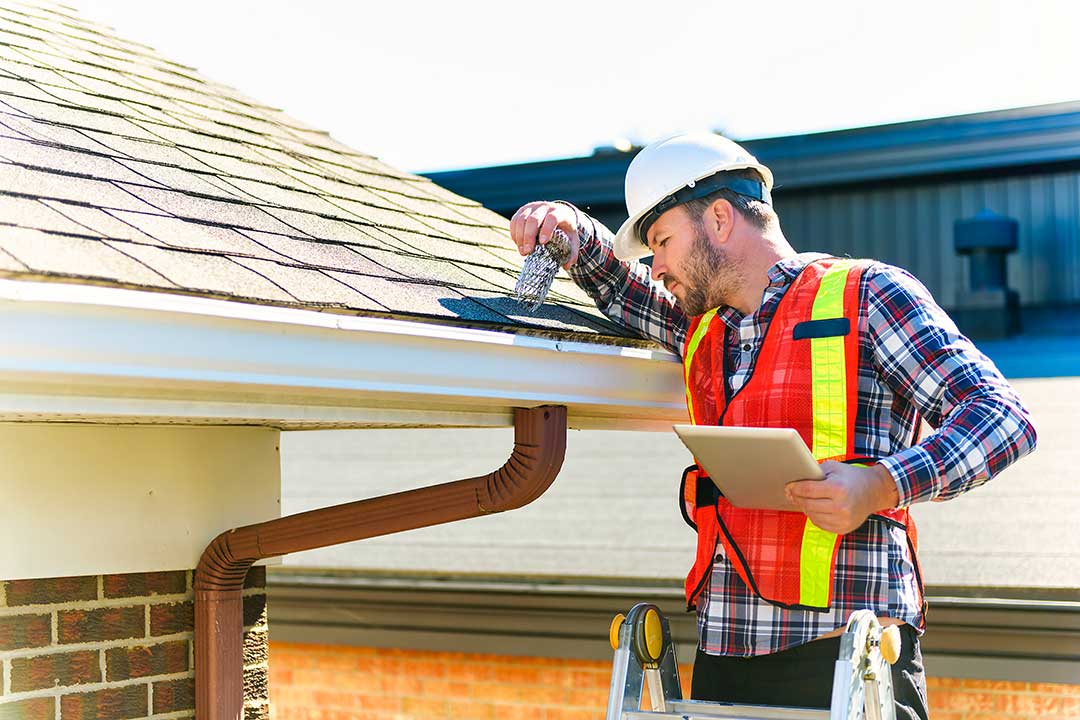
In these situations, using a professional service can help minimize risk and ensure proper care.
What Are Common Mistakes to Avoid During Roof Cleaning?
Residents often make these mistakes:
- Using pressure washers, which can strip shingles and force water into the underlayment
- Applying cleaning solutions during hot, sunny weather, which can cause rapid evaporation and streaks
- Failing to prevent runoff from entering garden areas or drains
- Walking excessively on the roof, causing shingle damage or loose fasteners
- Skipping safety gear
Remember, chemicals labeled for “roof moss” or “algae removal” still require careful reading. Follow directions, wear protective gear, and rinse thoroughly as specified.
How Often Should Roofs Be Cleaned in This Area?
In the local climate, roofs typically benefit from a gentle cleaning once every 1–2 years, especially in shady parts of the community where moss thrives. After autumn leaf drop and again in early spring, inspect for organic buildup. Regular gutter maintenance during these periods also helps prevent water backup and moss growth.
Monitor problem areas—such as under trees or on northern slopes—more frequently. Spot clean as needed, but avoid over-cleaning, which is more likely to shorten the roof’s lifespan.
Are There Local Regulations or Environmental Concerns?
Residents are encouraged to keep chemicals and cleaning runoff away from storm drains to protect local waterways and area wildlife. Excessive debris in gutters can lead to clogs that contribute to ice dams during the region’s snowy winters, increasing the risk of leaks inside the home.
Check with municipal websites or homeowner association guidelines for any specific restrictions on chemical use or runoff management, especially for properties near wetlands, streams, or protected areas.
