
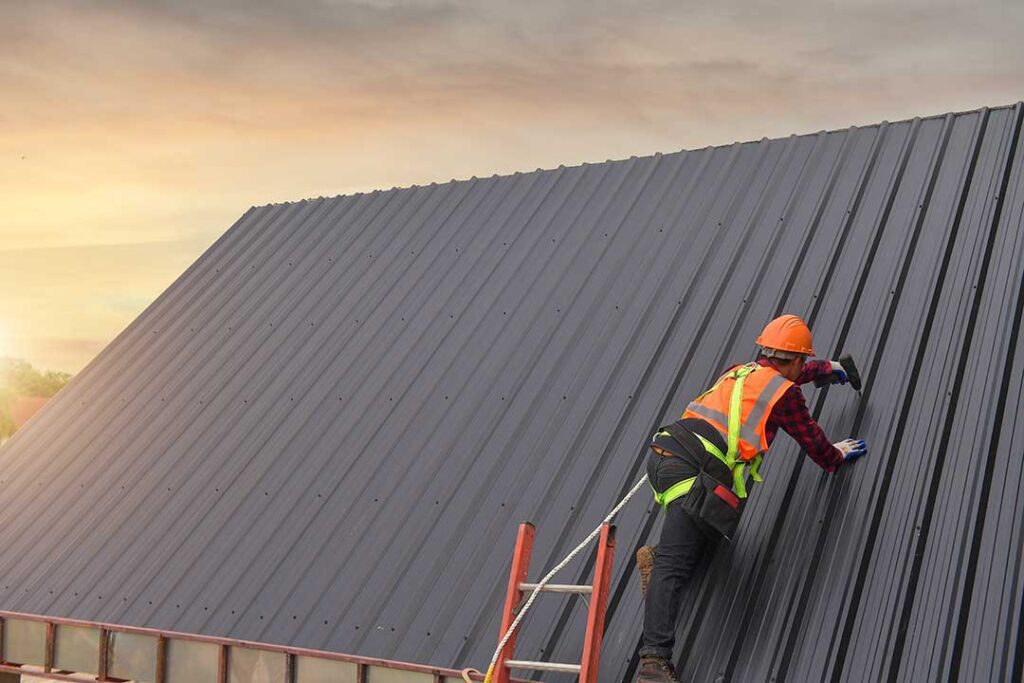
How Can You Tell If Your Roof Is Starting to Fail?
Early recognition of roof trouble is often straightforward, but knowing what to look for can make all the difference. Homeowners in West Henrietta, NY often face unique roofing challenges due to local weather conditions—heavy snow, ice, periodic wind events, and seasonal temperature swings all put stress on homes. Many problems begin as minor issues that, if detected promptly, can prevent further damage and costly repairs.
What Visual Clues Should You Check From the Ground?
For most households, the safest way to assess a roof is from ground level using binoculars or by inspecting from upstairs windows. There’s no need to climb up to notice several key indicators:
- Shingle Issues: Look for shingles that appear crooked, curled at the edges, cracked, or missing. These signs often signal aging or storm-related damage.
- Color Changes: Dark streaks or patches may indicate algae growth or water absorption.
- Sagging: Any visible dip, curve, or sag along the roofline points to possible structural damage, often due to trapped moisture or rot in underlying materials.
- Granules in Gutters: Check gutter runoff and downspout areas for gritty, sand-like residue. Granule loss exposes shingles to UV rays and harsh weather.
Why Is Roof Damage Hard to Spot Inside the Attic?
Many types of roof wear become apparent indoors before worsening visibly outside. In West Henrietta, area homes with attics or crawl spaces can reveal these early symptoms:
- Staining or Dampness: Discoloration or moisture spots on rafters, insulation, or ceilings often stem from slow leaks.
- Musty Smells: Persistent odors may suggest hidden moisture intrusion or growing mold, especially after heavy rainfall or ice damming.
- Daylight Through the Roof Boards: If you see beams of light shining through the roof decking on a sunny day, missing shingles or gaps in flashing could be to blame.
Which Problems Are Most Common in West Henrietta’s Climate?
Local weather patterns have a direct impact on roof performance. Residents often find that seasonal shifts create specific vulnerabilities:
- Ice Dams and Freeze-Thaw Cycles: Ice dams form at the roof edge during snowy winters, trapping moisture and lifting shingles. Repeated freezing and thawing can widen tiny cracks.
- Wind Damage: Strong gusts sometimes lift shingle tabs and drive debris under edges.
- Moss and Algae: Shaded, moist conditions in spring and fall create favorable environments for organic growth. Moss holds water against the roof surface, while algae cause streaks.
Can Minor Roof Damage Wait, or Does It Get Worse Quickly?
Ignoring subtle warning signs typically leads to more serious issues. Many people postpone small repairs, believing they aren’t urgent, but:
- Even a few missing shingles can allow water intrusion, saturating wood supports
- Minor cracks or sealant loss can become entryways for pests or rot
- Unaddressed granule loss accelerates weathering in affected sections
Given West Henrietta’s sporadic heavy rainfall and snow, any weakness in the roof layer can cause problems to escalate unexpectedly—sometimes after a single storm.
What Are the Most Overlooked Roof Trouble Spots?
Certain areas on roofs are more prone to unnoticed damage:
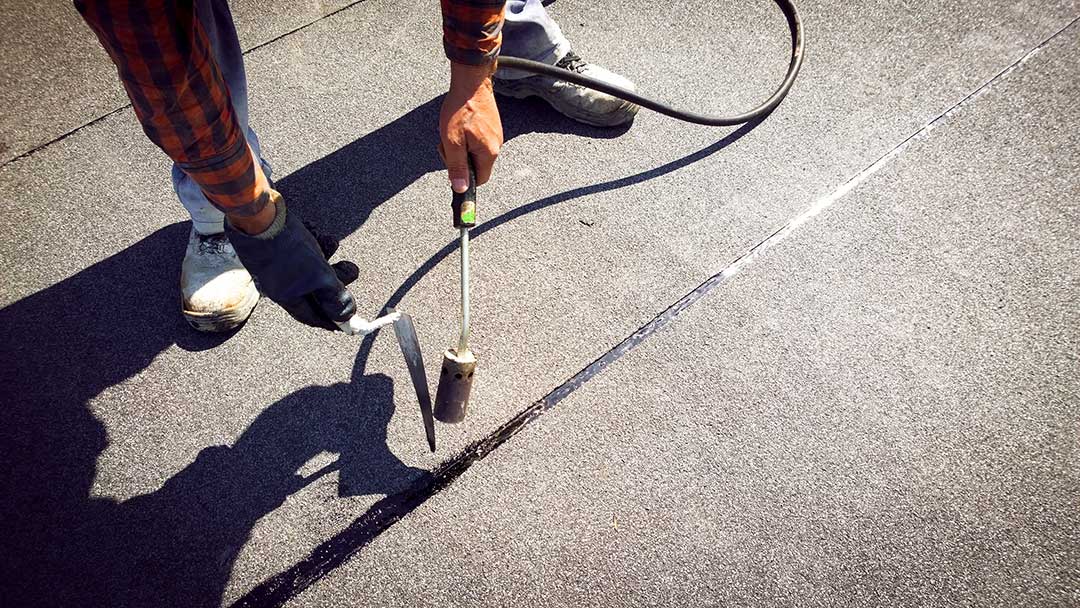
- Valleys and Seams: Where two roof planes meet, flashing can loosen or corrode, allowing leaks.
- Roof Penetrations: Vents, skylights, and chimneys may have rubber boots or metal flashing that degrade well before the roof’s main surface.
- Roof-to-Wall Junctions: Where roofs connect to siding, flashing failure or caulk cracks can let water behind walls or into attics.
Snow accumulation on these zones can lead to leaks unseen until they manifest indoors.
What Maintenance Habits Reduce the Risk of Surprise Damage?
Routine, seasonal observations support long-term roof health—no technical skills required. This approach is especially practical in the context of West Henrietta’s seasonal transitions:
- Clear gutters and downspouts every autumn to prevent water pooling.
- After high winds or storms, scan outdoor spaces for fallen branches or visible roof debris.
- Trim back overhanging trees to limit the buildup of organic material and reduce moss risks.
- In winter, gently remove excess snow with a roof rake if safe to do so from the ground to help prevent ice dam development.
Should You Inspect After Every Major Storm?
Each severe weather event in the city is an opportunity to perform a basic visual check. Even new roofs can sustain sudden damage from hail, heavy wet snow, or strong wind gusts.
Look for immediate post-storm clues:
- Shingles on the ground or in landscaping
- Bent or loose gutters and downspouts
- Fragments of flashing or vent covers around the home
Rapid detection allows for preventive action before leaks gain a foothold.
What Are Common Misconceptions About Roof Lifespans?
A widespread belief among residents is that a standard asphalt shingle roof should last the full manufacturer’s advertised lifespan (usually 20-30 years) without issue. However, real-world conditions can shorten or extend this timeline, depending on:
- Ventilation and attic insulation levels
- Frequency of maintenance
- Trees overhanging the roof
- Quality of original installation
It’s not unusual in West Henrietta for certain roofs to show age-related wear earlier due to snow load, wind, or other environmental factors. Periodic visual checks help to spot trouble years before roof replacement is necessary.
