
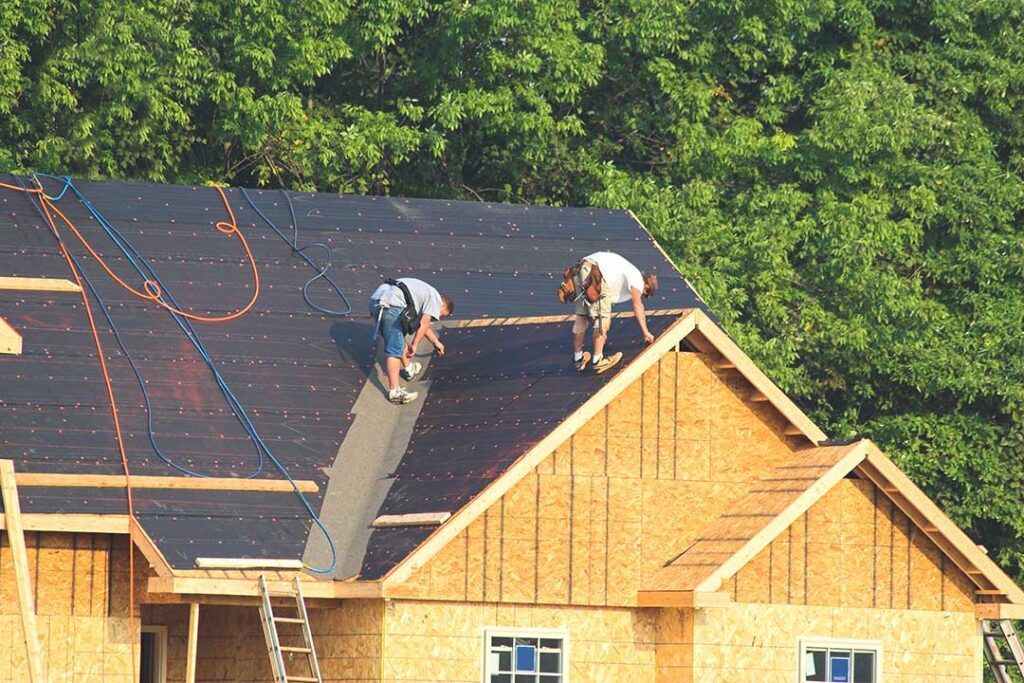
A roof does not usually fail all at once. More often, it gives homeowners a series of warnings—some visible from the ground, others showing up in the attic, ceilings, or energy bills. Knowing which signs matter can help residents make a timely decision rather than waiting for a major leak or storm-related emergency.
How long should a roof last?
A typical asphalt-shingle roof often lasts about 15 to 25 years, although the actual service life depends on ventilation, installation quality, sun exposure, storm damage, maintenance, and the type of shingles used.
In West Henrietta, seasonal weather can place repeated stress on roofing materials. Freeze-thaw cycles, snow accumulation, ice formation, wind, heavy rain, and summer heat may gradually loosen shingles and weaken flashing. A roof that is approaching the end of its expected life deserves closer observation even if it is not leaking yet.
Age alone does not automatically mean replacement is necessary. However, an older roof with several additional warning signs is more likely to need replacement than isolated repair.
What visible signs suggest that replacement may be necessary?
The most useful warning signs are changes across a broad area of the roof, not just one damaged shingle.
Look for:
- Shingles that are curling, buckling, blistering, or lying unevenly
- Bald areas where the protective granules have worn away
- Large numbers of loose, cracked, or missing shingles
- Dark streaks or patches that continue to spread
- Exposed underlayment, roof decking, or fasteners
- Sagging along the roofline or between rafters
- Damaged or deteriorated flashing around chimneys, vents, skylights, and roof valleys
A few missing shingles after a severe wind event may be repairable. Widespread granule loss, curling, or brittleness usually points to broader aging. Shingles that no longer lie flat can allow wind-driven rain to reach the layers beneath them.
Granules commonly collect in gutters as shingles age. A small amount is normal, but heavy accumulation combined with bald spots on the roof is a more serious indication that the surface is wearing out.
Does a roof need replacement if there is no leak?
Not necessarily, but the absence of a leak does not prove that a roof is in good condition. Water may remain trapped beneath shingles or enter around flashing before it becomes visible inside the home.
Some roof problems are hidden until they cause:
- Damp attic insulation
- Dark staining on roof sheathing
- Musty odors
- Peeling paint or damaged ceiling materials
- Soft areas around roof penetrations
- Mold or wood decay
A roof nearing the end of its expected life may still keep water out during ordinary weather. The risk increases during heavy rain, ice buildup, or strong wind. Planning ahead is generally less disruptive than waiting for water damage to spread into insulation, framing, walls, or finished rooms.
What should homeowners check inside the attic?
The attic can reveal problems that are difficult to see from the ground. Inspecting it safely, preferably during daylight, may show whether moisture is entering or whether ventilation is inadequate.
Useful observations include:
- Water stains or darkened wood near roof penetrations
- Wet or compressed insulation
- Rusted nails or metal components
- Daylight visible through the roof decking
- Condensation on nails or rafters
- A persistent damp or musty smell
- Sagging or softened roof sheathing
Moisture in an attic does not always mean the shingles are failing. Poor ventilation, bathroom exhaust venting into the attic, and indoor humidity can also create condensation. The source needs to be identified before deciding whether replacement is the appropriate solution.
If the roof structure feels soft, visibly sags, or shows extensive decay, avoid walking on it. Roofing surfaces can be slippery, unstable, or unsafe, especially after rain, snow, or freezing temperatures.
How do storms affect the decision?
Storm damage should be evaluated separately from ordinary aging. High winds can lift shingle edges, break tabs, damage flashing, or allow debris to strike the roof. Hail may leave small dents or expose the mat beneath the protective surface.
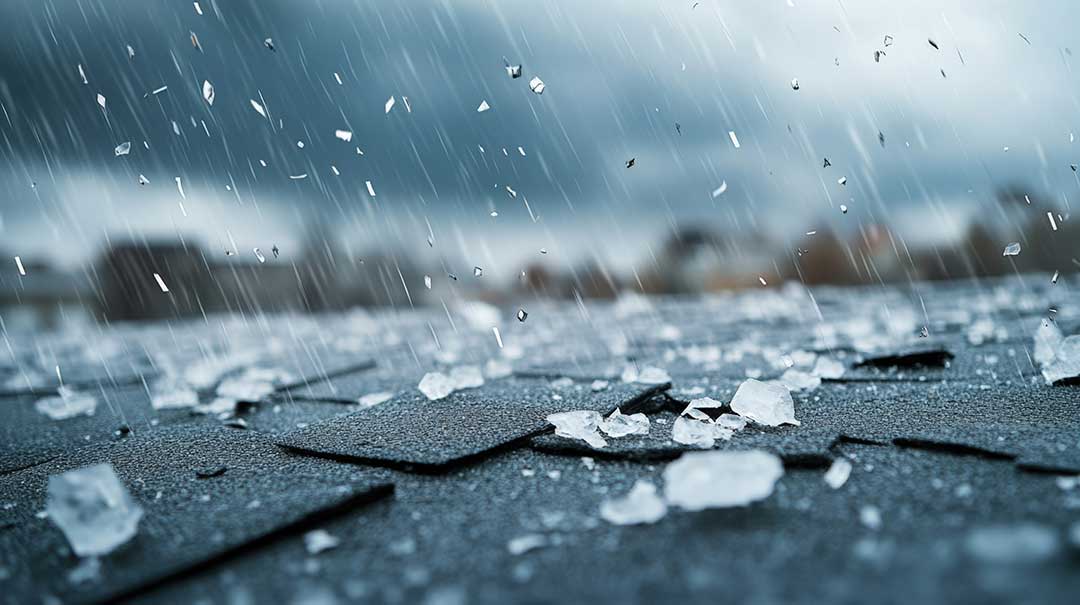
After a major storm, check the ground for fallen shingle pieces, look for obvious roof changes from a safe location, and inspect upper-level ceilings for new staining. Do not climb onto the roof to investigate during unsafe conditions.
A single damaged section may be repairable, but replacement becomes more likely when storm damage is widespread, the roof is already old, or compatible replacement materials are no longer available. Temporary coverings can reduce water entry, but they are not a permanent roofing solution.
Can a roof be repaired instead of replaced?
Repair is often reasonable when damage is limited and the surrounding roof remains in sound condition. Examples include a small number of missing shingles, isolated flashing damage, or a localized leak caused by a specific penetration.
Replacement is more often considered when:
- Leaks occur in multiple areas
- Shingles are deteriorating across most of the roof
- The roof deck has widespread moisture damage
- Previous repairs have not stopped recurring problems
- Materials are brittle, discontinued, or difficult to match
- The roof is near or beyond its expected service life
A patch can stop water in one location while leaving other aging areas vulnerable. The key question is not simply, “Can this leak be repaired?” but also, “How much useful life remains in the roof as a whole?”
What local conditions should West Henrietta households consider?
Seasonal timing matters. Roofing work is generally easier to plan during mild, dry weather, while winter conditions can make inspection and repairs more difficult. A roof that is already showing serious deterioration before the cold season deserves prompt attention because snow, ice, and freeze-thaw movement can worsen weak areas.
Ice dams are another concern for homes with uneven attic temperatures or inadequate insulation and ventilation. They can force melting snow beneath shingles, but recurring ice dams do not automatically mean the roof itself needs replacement. Correcting attic airflow, insulation, or air leaks may be part of the solution.
Homes surrounded by mature trees may also experience more leaf buildup, shaded dampness, falling branches, and clogged drainage paths. Keeping gutters and roof valleys clear can help, but regular cleaning cannot correct an aging or structurally damaged roof.
What should be documented before making a decision?
Photographs, approximate roof age, repair records, storm dates, and locations of interior stains can make the condition easier to understand. It is also useful to note whether a problem appears after rain, melting snow, wind, or temperature changes.
A sound decision should consider:
- The roof’s age and material
- The extent and location of visible damage
- Attic and roof-decking conditions
- Whether leaks are isolated or recurring
- Ventilation, insulation, and drainage
- The likelihood of additional problems during upcoming seasons
The clearest indication for replacement is usually a combination of age, widespread surface deterioration, repeated leaks, and underlying structural or moisture damage. A roof that is still relatively young and has one localized problem may have many useful years remaining, while an older roof with several small issues may be approaching the point where repeated repairs no longer make practical sense.
