

A professional roof inspection is a careful evaluation of the roof system, attic, drainage areas, and visible signs of moisture or structural wear. The purpose is to document the roof’s current condition, identify developing problems, and explain which findings require prompt attention versus routine monitoring.
For homeowners in West Henrietta, NY, inspections are especially useful after heavy snow, freeze-thaw cycles, strong wind, or extended periods of rain. These conditions can affect shingles, flashing, ventilation, gutters, and areas around roof penetrations.
What happens before the inspection?
Before looking at the roof, the inspector usually asks about the property’s history and any concerns noticed by the occupants. This conversation helps focus the inspection on known symptoms without limiting the evaluation to those areas.
Questions may cover:
- The approximate age of the roof
- Past repairs or replacements
- Interior stains, damp odors, or visible leaks
- Ice buildup, fallen branches, or wind damage
- Unusual attic moisture or winter condensation
- Any recent remodeling involving vents, chimneys, skylights, or additions
It is helpful to point out where water marks have appeared, even if the area is dry on the inspection day. Roof leaks do not always occur directly above the interior stain. Water can travel along roof framing, insulation, or other building materials before becoming visible.
The inspector may also ask whether the roof has been exposed to unusual events, such as a severe storm or a tree limb impact. This background provides context for what is found during the physical inspection.
Does the inspector walk on the roof?
Often, but not always. A roof may be inspected from the surface, from a ladder, from the ground, or with tools such as binoculars or a camera. The method depends on pitch, height, weather, surface condition, roof materials, and safe access.
A walkable roof allows closer examination of shingles, seams, flashing, fasteners, and exposed edges. However, walking is not automatically appropriate. Wet surfaces, ice, steep slopes, fragile materials, and unstable areas can create fall hazards or cause additional damage.
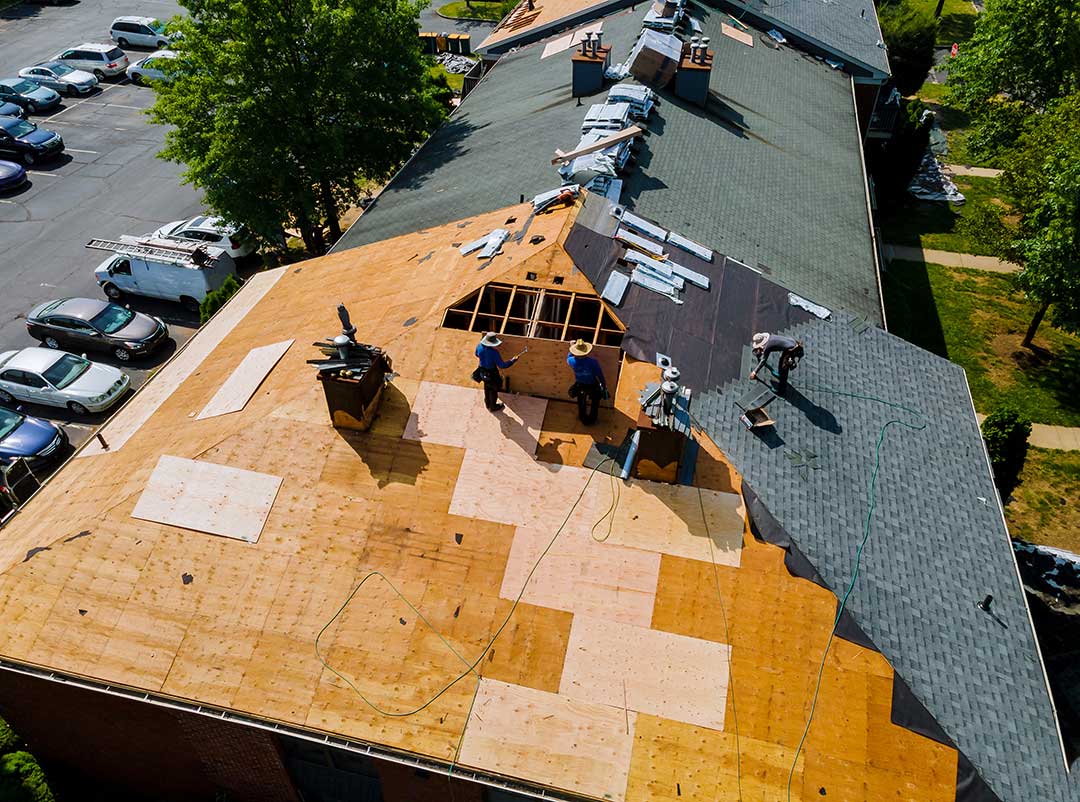
A responsible inspection does not require unsafe access. If a roof cannot be safely walked, the report should explain the inspection method and any limitations. Drone or elevated photography may help document difficult areas, but photographs do not replace every form of hands-on evaluation.
What areas of the roof are examined?
The visible roof covering is only one part of a complete roof system. An inspection typically reviews several connected components.
Shingles or other roof coverings
The inspector looks for missing, loose, cracked, curling, blistered, or displaced materials. Granule loss, exposed underlayment, open seams, and repeated patching may also be documented.
Not every imperfect shingle means the roof needs replacement. Some conditions are cosmetic or limited to a small area. Others indicate broader aging, storm damage, or loss of weather protection.
Flashing and roof penetrations
Flashing directs water away from vulnerable transitions. It is commonly found around chimneys, plumbing vents, skylights, walls, valleys, and roof edges.
The inspection checks for lifted metal, deteriorated sealants, open joints, corrosion, poor installation, and gaps where water could enter. Flashing problems can cause leaks even when the surrounding shingles appear to be in good condition.
Valleys, edges, and drainage paths
Roof valleys collect water and debris, making them important inspection points. Eaves, rakes, drip edges, gutters, downspouts, and areas below roof slopes are also reviewed.
Leaves, ice, moss, or accumulated debris can interfere with drainage. In areas that experience snow and repeated freezing and thawing, blocked or poorly draining sections may contribute to water intrusion and deterioration along roof edges.
Ventilation and attic conditions
A roof inspection may include the attic, particularly when there are signs of moisture or poor ventilation. The inspector may look for damp insulation, staining, mold-like growth, rusted fasteners, daylight through the roof deck, and inadequate air movement.
Attic moisture is not always caused by a roof leak. Warm household air can enter a cold attic through gaps around light fixtures, plumbing penetrations, ductwork, or access panels. Poor ventilation can then allow condensation to accumulate during cold weather.
This distinction matters because repairing shingles alone will not correct a moisture problem caused by indoor air leakage or ventilation.
Will the inspection identify leaks?
It may identify the likely source of a leak, but a roof inspection cannot guarantee that every intermittent leak will be reproduced. Water entry depends on wind direction, rainfall intensity, melting snow, temperature, and the condition of concealed materials.
An inspector may find evidence such as:
- Water staining on roof decking or framing
- Damaged insulation
- Deteriorated flashing
- Open roof seams
- Failed pipe-boot seals
- A damaged vent or skylight
- Discoloration around attic penetrations
The visible location of water inside the home may not match the entry point on the roof. For that reason, an inspection report should distinguish between confirmed damage, probable sources, and conditions that require further testing.
What is included in the final report?
A useful report explains the roof’s condition in plain language and provides supporting photographs when appropriate. It should identify observed defects, areas that were not accessible, and the relative urgency of each issue.
Findings are often grouped into practical categories:
- Immediate safety or active water concerns: Conditions that could threaten occupants, cause rapid damage, or allow ongoing moisture entry
- Repair items: Defects that should be corrected but may not require emergency action
- Maintenance items: Debris, minor sealant deterioration, drainage concerns, or other conditions that should be monitored
- Service-life observations: Signs that the roof is aging and may require more planning in the future
A report should avoid treating the roof’s estimated age as proof that replacement is necessary. Two roofs of the same age can have very different conditions because of installation quality, ventilation, exposure, maintenance, and storm history.
How long does a roof inspection take?
The time varies with the roof’s size, design, accessibility, number of penetrations, and whether the attic and interior areas are included. A simple roof may be reviewed relatively quickly, while a complex home with multiple slopes, additions, dormers, chimneys, or detached structures requires more time.
Weather can also affect the process. Snow cover, ice, heavy rain, strong wind, or saturated surfaces may prevent close inspection of certain areas. In those circumstances, the report should state what could not be evaluated and whether a later review is appropriate.
When should a homeowner arrange an inspection?
An inspection is reasonable after a significant storm, when a leak appears, before buying or selling a home, or when the roof is approaching the later portion of its expected service life. It can also be useful after noticing loose shingles, ceiling stains, attic condensation, or unusual drafts near the roof line.
For local homes, late winter and early spring can reveal problems that were not obvious during warmer weather. Snow and ice may expose weaknesses around flashing and roof edges, while spring rain can reveal drainage or penetration problems.
Safety concerns should be handled promptly. Missing sections of roofing, active interior leaks, sagging roof areas, exposed electrical components near water, and major storm damage are not appropriate for casual homeowner investigation. Staying clear of damaged areas until they are evaluated helps reduce the risk of falls and additional property damage.
What questions should homeowners ask about the findings?
After the inspection, homeowners should ask for clear distinctions between observed facts and assumptions. Useful questions include:
- Which conditions are active problems, and which are only signs of aging?
- Are the findings limited to one area or spread across the roof?
- Was the attic inspected?
- Which areas were inaccessible, and why?
- Could the interior stain be caused by condensation rather than a roof leak?
- What should be repaired first?
- What maintenance could extend the roof’s useful service life?
- Are photographs available for each significant finding?
The most useful inspection is not simply a list of defects. It explains how the roof is performing, what risks are present, and which observations deserve attention now, later, or only through routine monitoring.
