
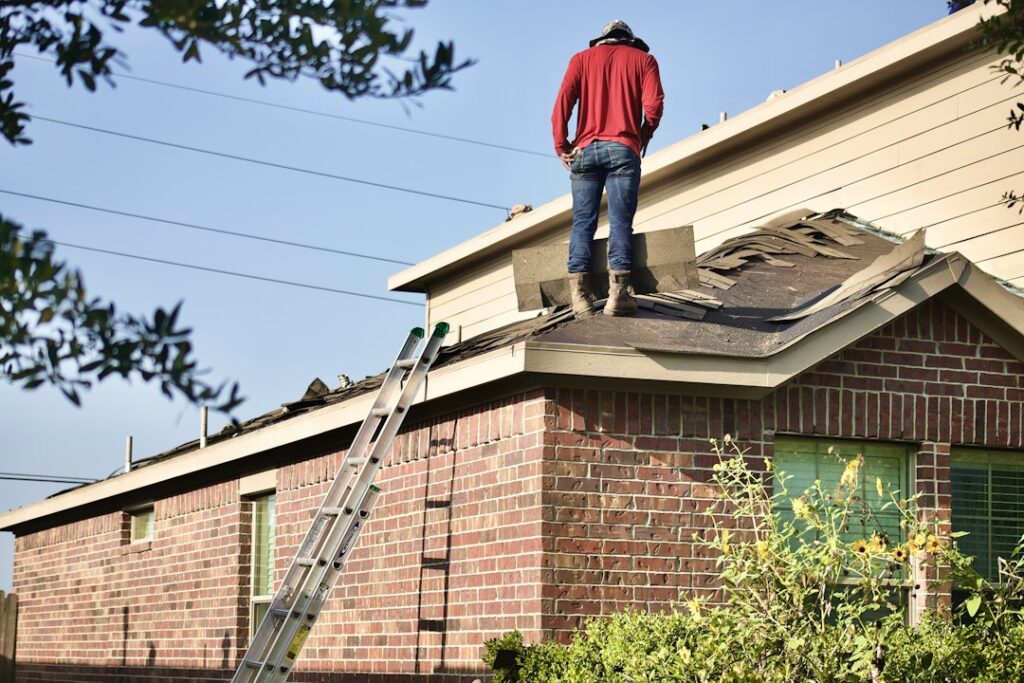
Hurricane season can affect roof safety even when a storm does not pass directly over the area. For homes in West Henrietta, NY, strong wind, heavy rain, falling branches, and saturated ground can expose small roof problems that may have gone unnoticed during milder weather.
Preparing a roof is less about making it “hurricane-proof” and more about identifying weak points, keeping drainage paths clear, and reducing the chance that wind and water will turn minor defects into interior damage.
When should a roof inspection be done?
A basic roof check is most useful before the first major storm threat, preferably in late spring or early summer. It should also be repeated after severe wind, hail, or prolonged heavy rain.
Look for visible signs of trouble from the ground or from a safely accessible attic. Common warning signs include:
- Missing, cracked, curled, or loose shingles
- Exposed fasteners or roofing materials
- Damaged flashing around chimneys, vents, skylights, and roof edges
- Sagging areas along the roofline
- Water stains, damp insulation, or musty odors in the attic
- Granules collecting in gutters or near downspouts
- Daylight visible through the roof decking
A roof that appears acceptable from the street may still have problems around penetrations, valleys, eaves, and flashing. These areas experience concentrated water flow and often become the first points of leakage during wind-driven rain.
How can homeowners check for loose or damaged shingles?
Shingles do not need to be completely missing to create a storm risk. A lifted edge, loose tab, or damaged seal can allow wind to get underneath the roofing surface.
From the ground, binoculars can help identify:
- Shingles with raised corners or edges
- Uneven patches that appear darker or lighter than surrounding areas
- Bare areas where the protective granules have worn away
- Shingles displaced near ridges, roof edges, or valleys
- Loose metal edging along the perimeter
Avoid walking on a roof, especially when it is wet, steep, mossy, or covered with debris. Roofing surfaces can be slippery, and stepping in the wrong place may cause additional damage. Repairs involving steep slopes, unstable materials, or exposed structural areas require appropriate safety equipment and experience.
Why are roof edges especially vulnerable?
Wind pressure is often strongest at roof edges, corners, ridges, and overhangs. If a shingle or section of metal edging is already loose, storm winds can lift nearby materials and create a larger opening.
Inspect visible fascia, soffits, drip edges, and gutter attachments for separation or bending. Loose gutters can be pulled away from the roofline, while damaged soffits may allow wind, rain, insects, or small animals into the attic.
Pay close attention to roof sections over porches, additions, garages, and enclosed entryways. These areas may have different construction details or aging materials than the main roof.
What should be done with gutters and downspouts?
Clear gutters and downspouts before storm season and again after major storms. Leaves, twigs, and roof granules can restrict drainage, causing water to back up beneath roof edges or spill against exterior walls.
Downspouts should discharge water far enough away from the foundation to prevent pooling. Extensions should be secure so they do not blow away or become blocked during heavy rain.
Check for:
- Sagging gutter sections
- Separated joints
- Loose hangers
- Crushed or blocked downspouts
- Water marks beneath the roof edge
- Soil erosion near discharge points
A clean gutter cannot compensate for a damaged roof, but proper drainage reduces the amount of water that remains near vulnerable roof edges and walls.
How should attic ventilation and insulation be checked?
The attic can reveal roof problems before they become obvious inside the living space. After rainfall, inspect for damp insulation, stained wood, dripping water, or new odors.
Ventilation openings should remain clear of insulation, nests, leaves, and other obstructions. Blocked ventilation can contribute to moisture buildup, especially during warm, humid weather. Moisture may damage roof decking, encourage mold growth, and reduce the useful life of roofing materials.
Do not cover soffit vents with insulation or store items where they block airflow. If insulation is wet, it should not simply be covered or left in place; the source of moisture needs to be identified first.
What roof-related items around the house should be secured?
A storm can turn loose outdoor objects into airborne debris. Before strong weather arrives, secure or store items that could strike the roof or clog drainage areas.
Examples include:

- Patio furniture
- Lightweight planters
- Yard tools
- Children’s outdoor equipment
- Unsecured decorations
- Loose branches near the house
- Temporary covers or tarps
Tree limbs deserve special attention. Branches that overhang the roof can scrape shingles, break through decking, or fill gutters during high winds. Dead or visibly weakened limbs should be addressed before storm conditions, but tree work near electrical lines or over a roof can be hazardous.
Do roof vents, chimneys, and skylights need special attention?
Yes. Roof penetrations are common leak locations because they interrupt the continuous roofing surface.
Check visible flashing around chimneys, plumbing vents, skylights, and exhaust vents for gaps, lifted sections, rust, cracked sealant, or missing components. Sealant alone is not a permanent substitute for properly installed flashing.
Chimney caps and masonry should also be observed for loose pieces, cracks, or deterioration. A damaged cap can allow rain into the chimney structure, while loose masonry may become a falling hazard during strong wind.
Skylights should be checked for cracked glazing, damaged frames, and water stains on the interior ceiling below. Interior staining may remain after the surface dries, so a new or expanding stain deserves attention even if no active drip is visible.
What should be done if a storm is approaching?
Do not climb onto the roof to make last-minute repairs once high winds, lightning, or heavy rain have begun. Instead, complete safe ground-level preparations:
- Clear visible debris from accessible gutters if conditions are safe
- Secure loose outdoor objects
- Close attic windows and openings
- Move valuables away from areas with previous leaks
- Place containers beneath known drips if water enters
- Photograph existing damage for household records
- Keep flashlights and basic emergency supplies accessible
Temporary coverings may reduce water entry in limited situations, but they must be installed safely and secured correctly. A loose tarp can damage shingles, collect water, or become airborne.
What should homeowners check after severe weather?
After the storm, inspect the property from the ground before entering areas that may be unsafe. Look for missing roofing materials, fallen branches, damaged gutters, displaced flashing, and visible holes.
Inside, check ceilings, upper walls, attic spaces, and insulation for new moisture. Electrical fixtures near water stains should be treated cautiously because water may have reached wiring.
Do not assume that a roof is undamaged because there is no ceiling leak. Some storm damage may remain hidden until the next rainfall. If structural materials are sagging, large sections are exposed, or the roof has been struck by a tree or other object, keep people away from the affected area until it can be safely evaluated.
Homes in the community often experience repeated freeze-thaw cycles, snow, ice, and seasonal moisture before hurricane season even begins. Those earlier conditions can loosen flashing, weaken sealants, and age roofing materials. A careful spring inspection, clean drainage system, secure surroundings, and safe post-storm check provide a practical foundation for handling severe weather.
